Keep clear of the unsafe part
Water around electrical equipment, a sagging ceiling or visible structural damage changes the situation. Keep people away from the affected area and use emergency help when there is an immediate threat. Do not go onto a wet roof or into an unstable space to locate the opening.
If it is safe to do so, move belongings away from the water and describe what you can see from inside or the ground. A photograph is helpful when it can be taken safely. There is no need to climb a ladder to make the first call useful.
Give the company a clear starting point
Tell the roofer where the property is, whether the water is still coming in and whether a section of the roof is visibly open. Mention a recent storm, fallen limb or known work nearby without treating it as a confirmed cause.
An emergency-service listing does not establish a particular dispatch time or around-the-clock crew availability. Confirm the company’s actual ability to help and what the immediate visit will cover. The directory does not promise a response window for an independent business.
The water can travel before it appears
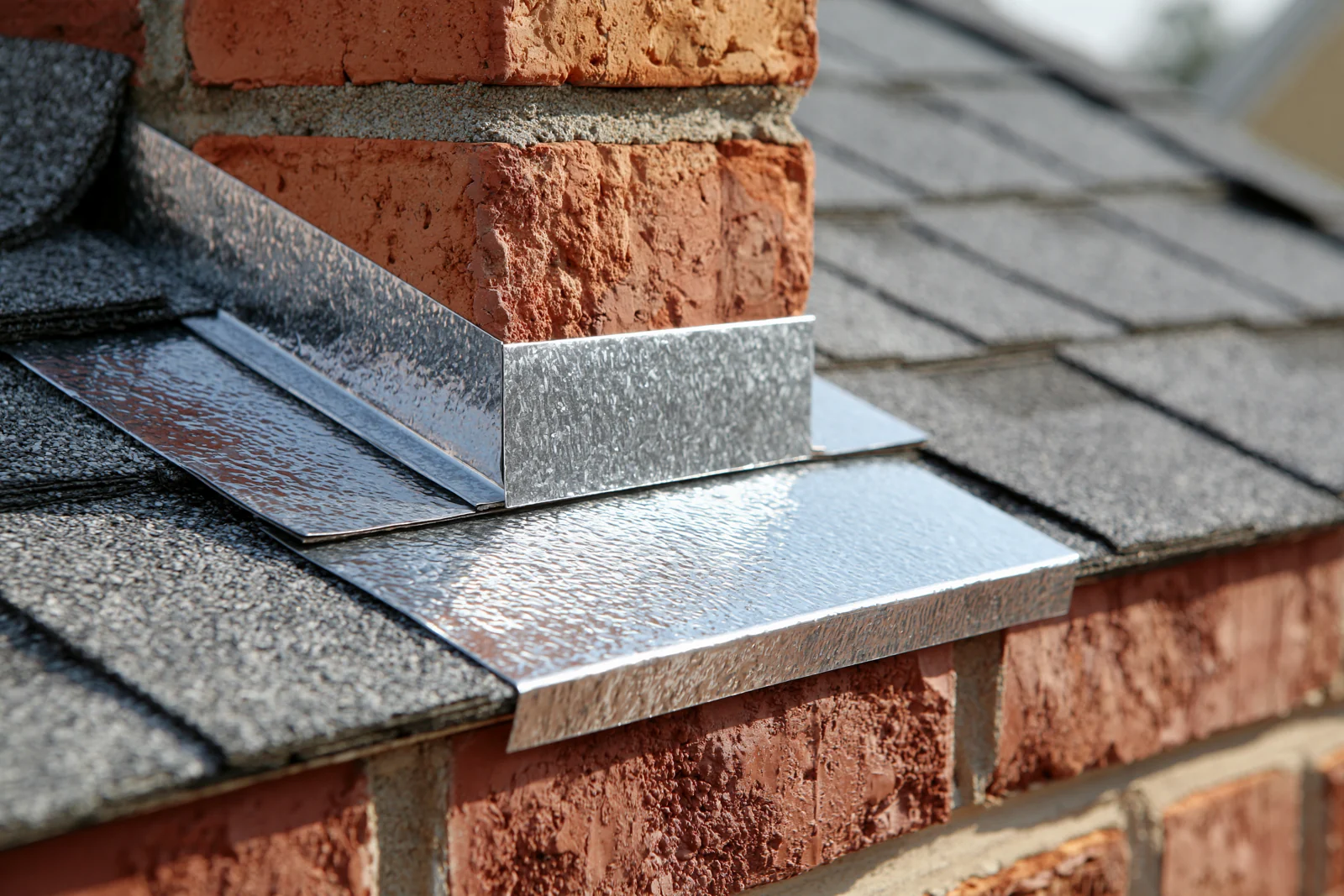
The ceiling stain is an indoor symptom. Water can move along decking, framing or other surfaces before it reaches the room. A pipe boot, wall connection, chimney, valley or damaged covering can require a different repair.
A permanent solution needs to trace that path and restore the relevant roof detail. Simply coating the visible area above the stain can miss the entry point. The assessment should also identify damage beneath the covering that changes the repair.
Temporary protection buys time
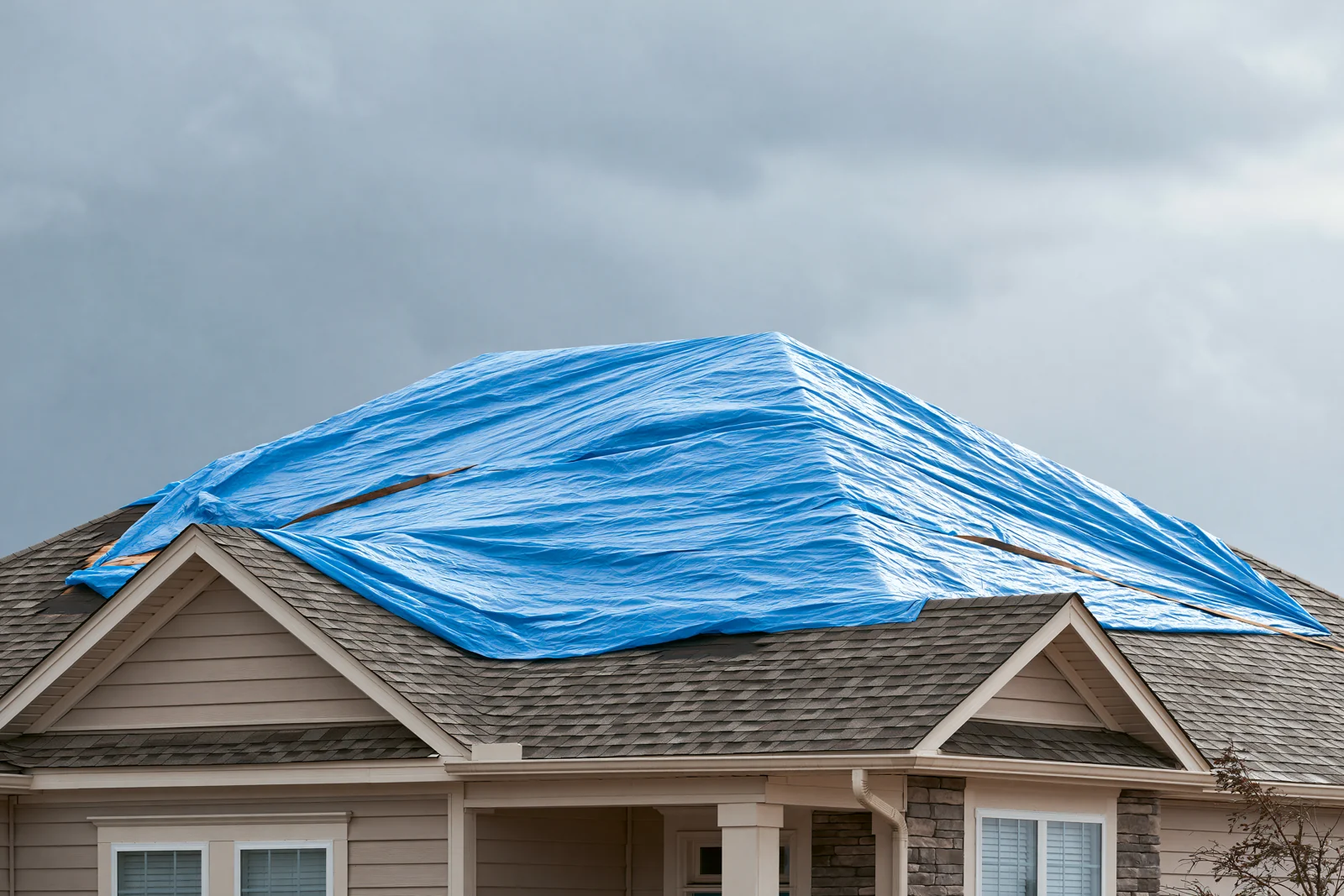
A suitable temporary covering can limit water entry through an exposed area. Its purpose is to protect the building while the final work is arranged. It is not the same as a finished roof repair or a warranty on the surrounding roof.
The condition of the roof and safe access govern what is possible. A roofer should explain what the temporary measure addresses and what remains to be repaired. If a claim is involved, retain the record of the emergency work and its receipts.
Finish with the cause, not just a dry ceiling
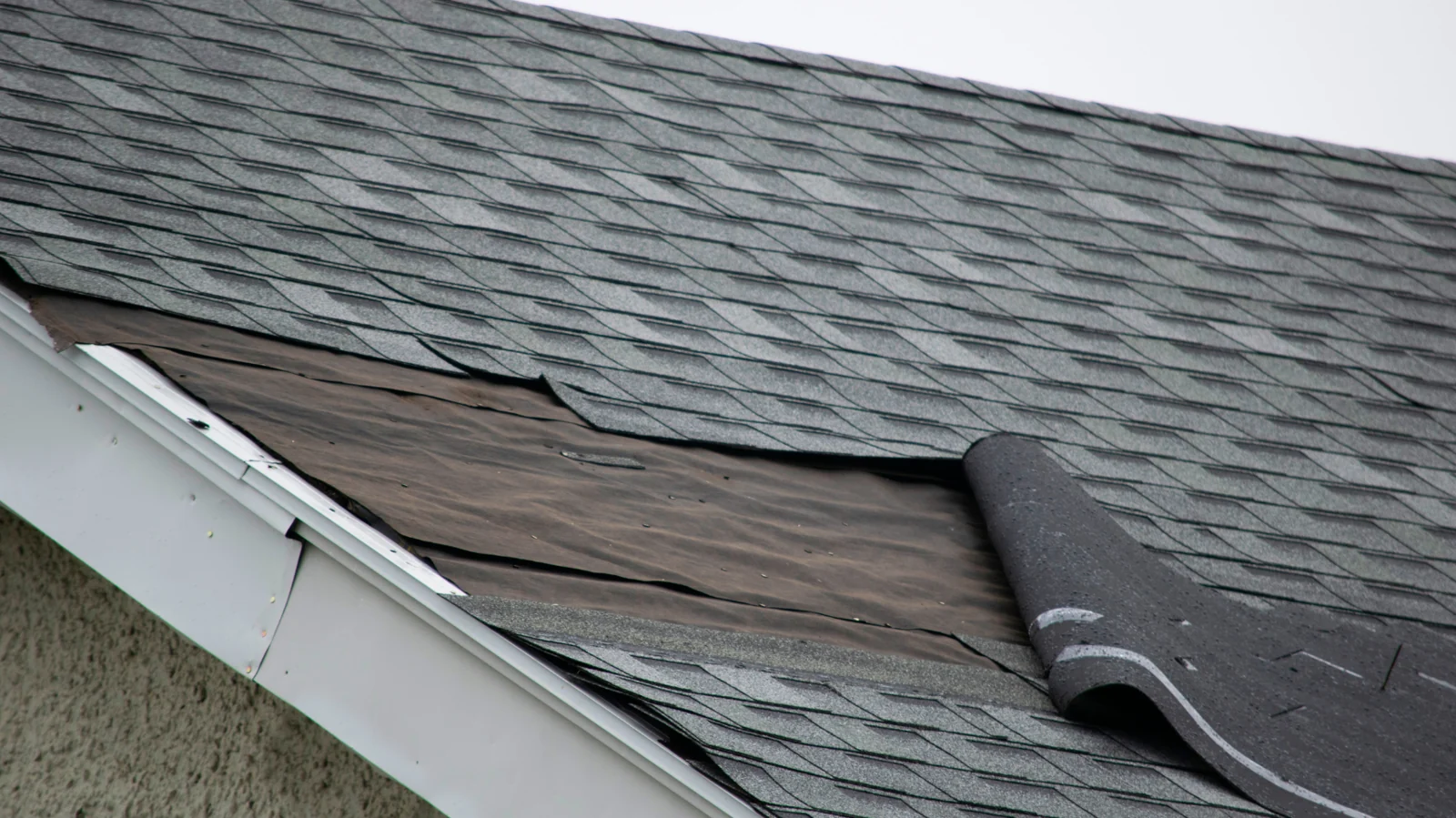
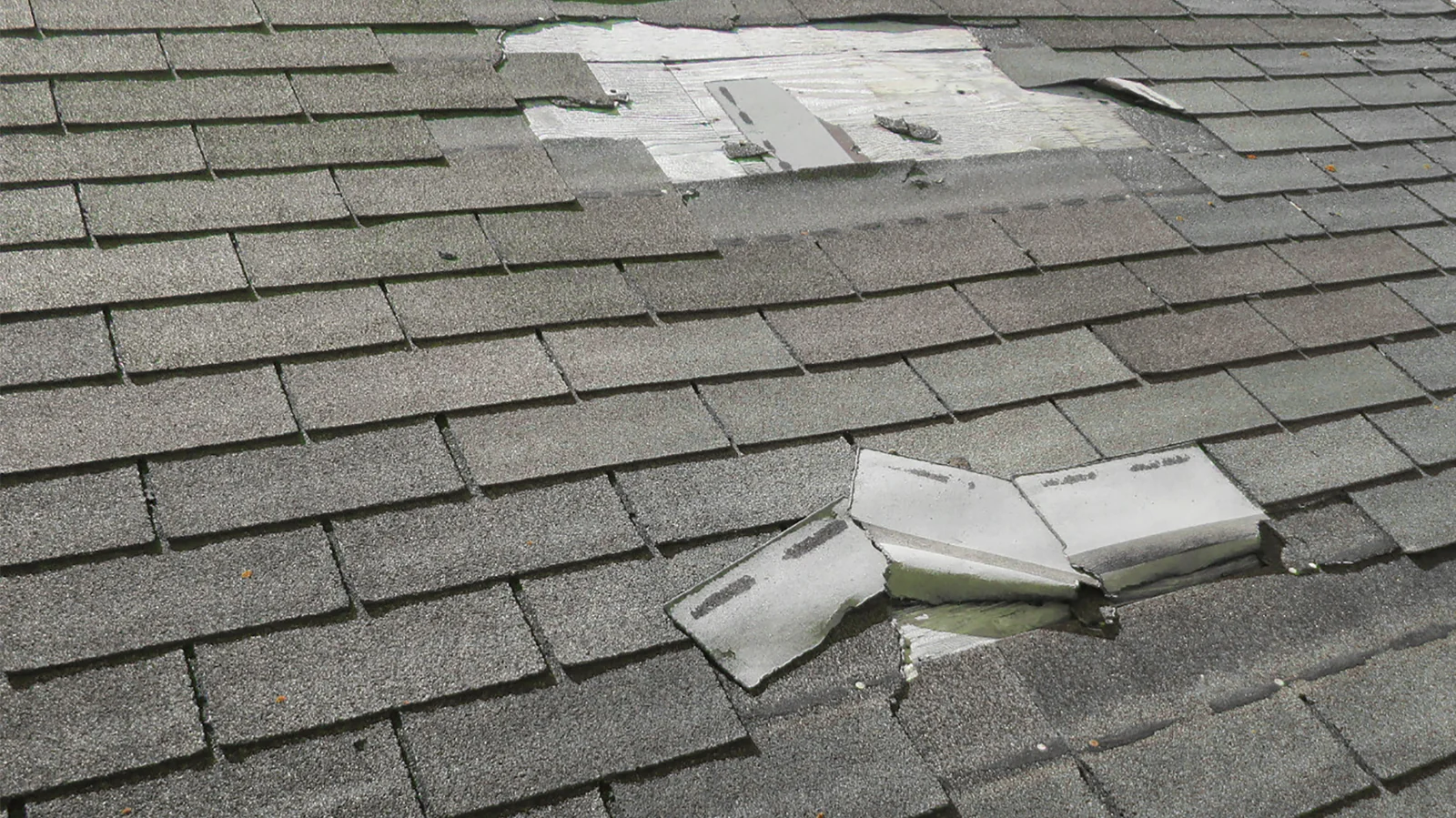
Once the roof is secure, the permanent scope should identify the damaged part, how new work connects to the existing assembly and any related deck or flashing repair. A roof with widespread deterioration may need replacement considered alongside local repair.
Interior drying and restoration can also be needed after water entry. Roof work stops the exterior source; it does not automatically complete every affected interior repair. Keeping those responsibilities clear helps the project reach an actual finish.
Further reading
Common questions
Does emergency roofing mean a same-hour visit?
No. Each company’s coverage, staffing, weather conditions and current availability determine the response. Confirm the actual arrangement directly.
Is a tarp a permanent roof repair?
No. It is temporary protection for an opening or exposed area. The damaged roof materials and connections still need an appropriate permanent solution.
Find companies for the work.
Explore actual roofing services, business details and Google review totals in the directory.
Browse roofing companies