Water needs a continuous route away from the opening
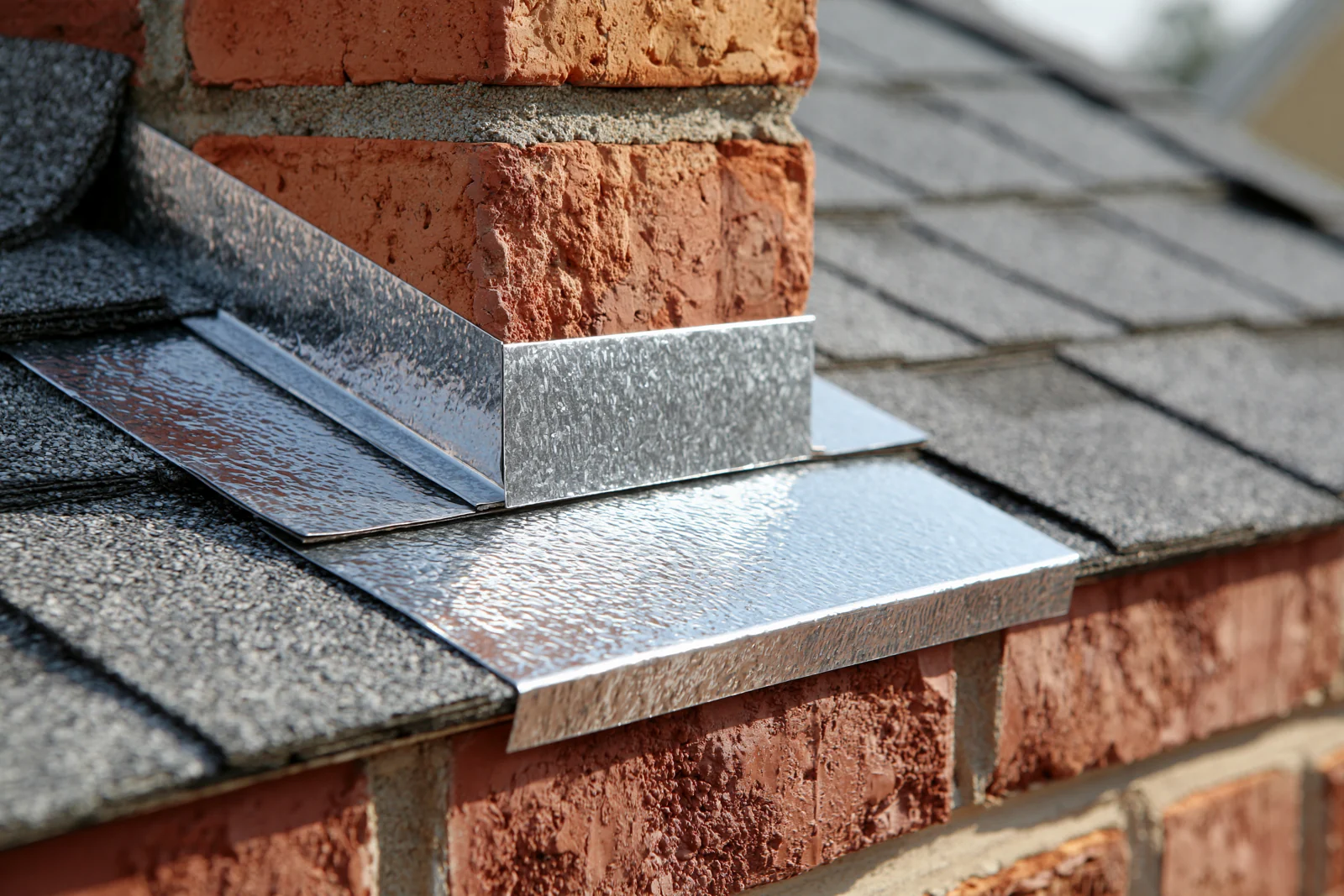
Flashing bridges places where the roof meets something else: a wall, chimney, skylight, vent or another roof plane. Its shape and overlap need to direct water onto the correct surface rather than behind the covering.
That makes flashing part of the assembly, not a decorative strip added after the roof is finished. A repair has to account for the roof covering and the wall or penetration it meets. A visible gap can be the symptom of a deeper connection problem.
Different locations use different details
A wall alongside a shingle roof, the uphill side of a chimney and a plumbing vent each present a different water path. Valleys and edges also have their own details. The method should fit the location and the selected roof system.
A pipe boot can fail around its collar while the nearby shingles remain usable. A wall transition can admit water behind the siding. Those failures need different work, even when both first appear as a ceiling stain.
Sealant is a component, not a universal design
Some details use sealants as part of their intended construction. Repeatedly adding a surface bead over a bad connection does not necessarily rebuild the water-shedding path. The material also needs to be compatible with the roof.
The repair recommendation should identify what has failed and how the detail will be restored. On a membrane roof, a patch or flashing method must suit that membrane. On metal, movement and compatible materials remain important.
Know what happens to flashing during replacement
A replacement proposal should identify which existing details will be removed, replaced, reused or repaired. Flashing concealed by wall materials or integrated with another feature can require additional work to reach the connection correctly.
A new covering installed around an unresolved transition can leave the original leak risk. The quote should explain the intended detail rather than rely on the assumption that “new roof” means every adjacent component is being rebuilt.
Trace the leak before choosing the repair
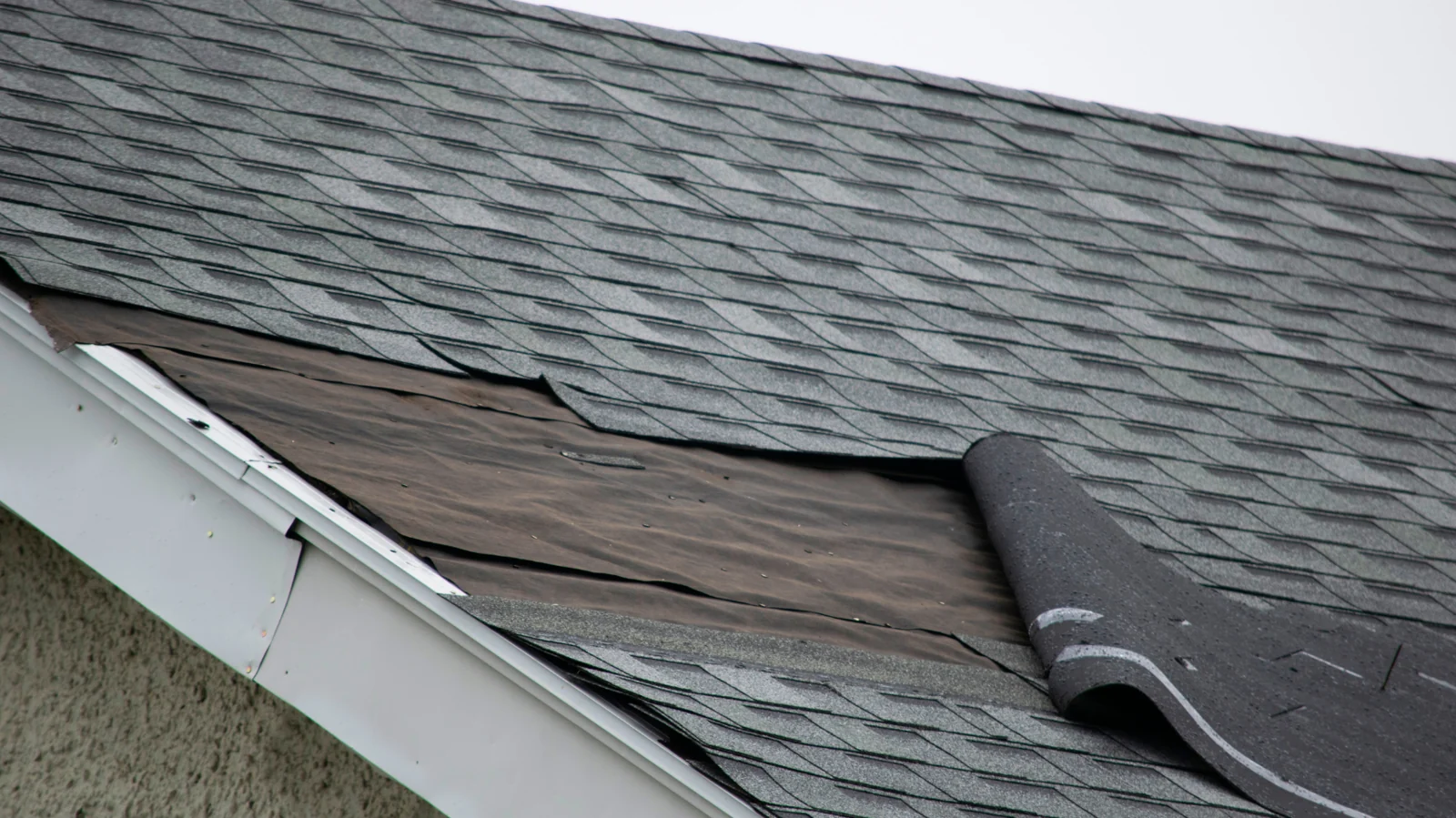
Water can travel along the deck or framing before it reaches the inside surface. The stain’s location alone does not tell a roofer which outside detail is open.
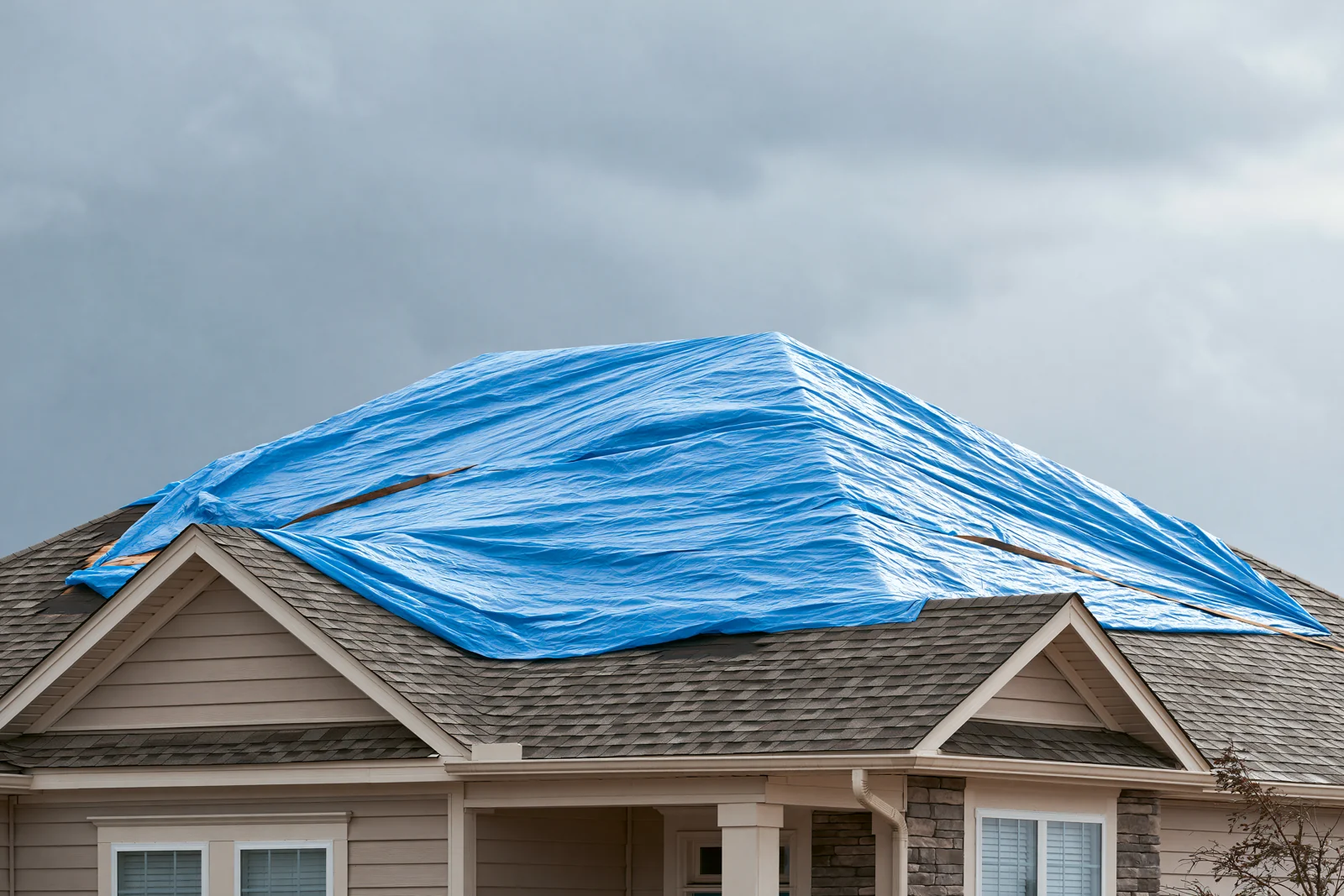
A useful assessment connects the roof condition to the leak path and the proposed work. If adjoining shingles, deck material or wall components cannot support a limited repair, that condition belongs in the explanation. Fixing the source is more valuable than repeatedly hiding the symptom.
Further reading
Common questions
Can a leaking pipe boot be repaired without replacing the whole roof?
Often it can when the problem is localized and the adjoining covering and deck support a durable connection. The surrounding condition determines the useful scope.
Should flashing be included in a replacement quote?
The proposal should explain how relevant flashing will be handled, including any planned reuse, replacement, repair or related access work.
Find companies for the work.
Explore actual roofing services, business details and Google review totals in the directory.
Browse roofing companies