Start with the attachment system
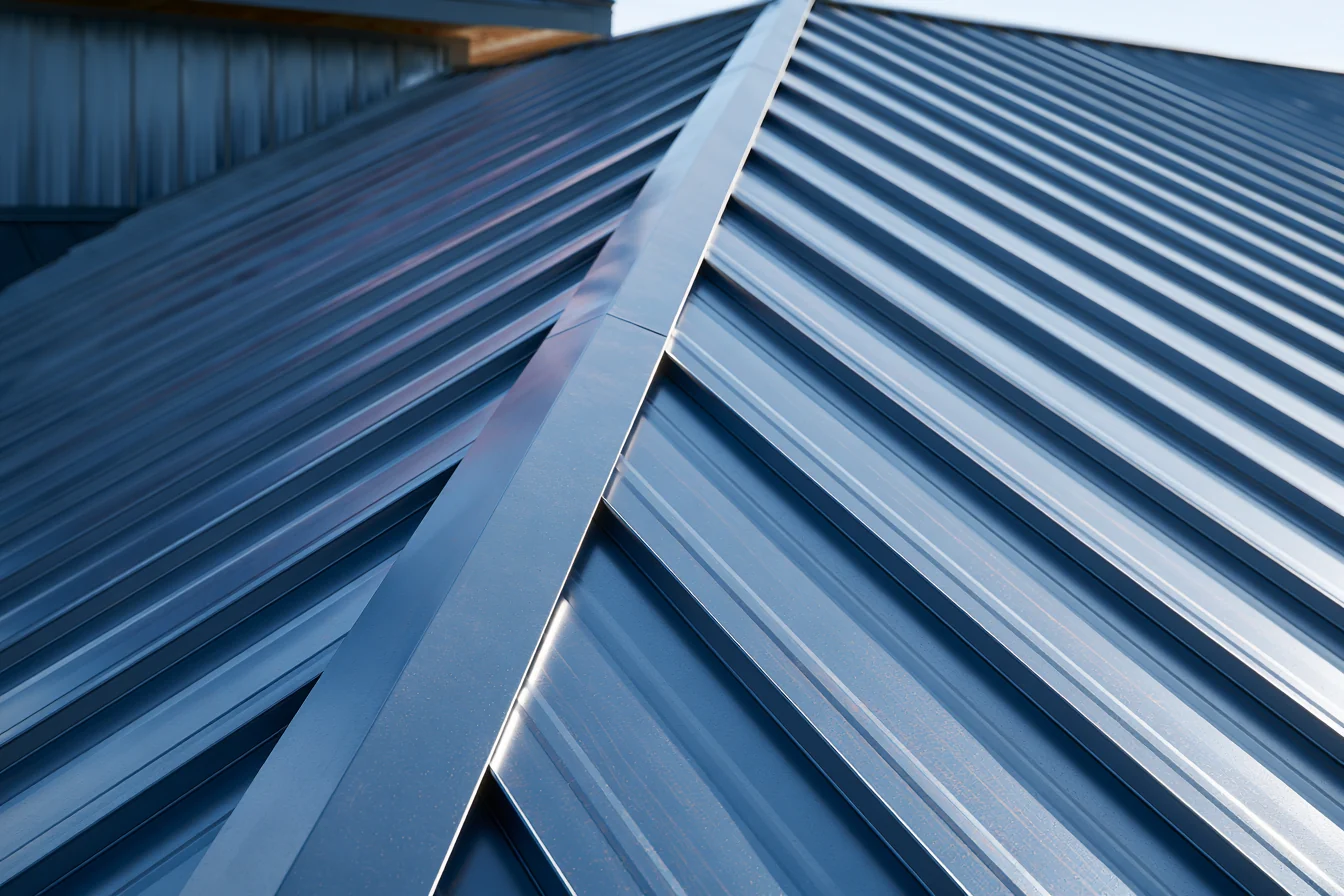
Standing-seam assemblies conceal their main attachment beneath the panel seams or clips. Exposed-fastener panels use visible fasteners through the panels. Both need the details specified for the selected product and building.
The choice changes the installation and the parts that need attention over time. A proposal should identify the panel, metal and coating, attachment method, underlayment and transitions. Calling the roof “commercial grade” does not provide those details.
Metal moves as its temperature changes
Panels expand and contract with temperature. The assembly needs to accommodate that movement at its attachment and connections. Clips, fixed points, fastener choices and panel lengths belong to the designed system.
A repair that simply locks a moving detail in place can create a new problem. On an existing roof, the assessment should identify the panel type and how it is intended to move before a connection is altered.
Transitions matter on a metal roof too
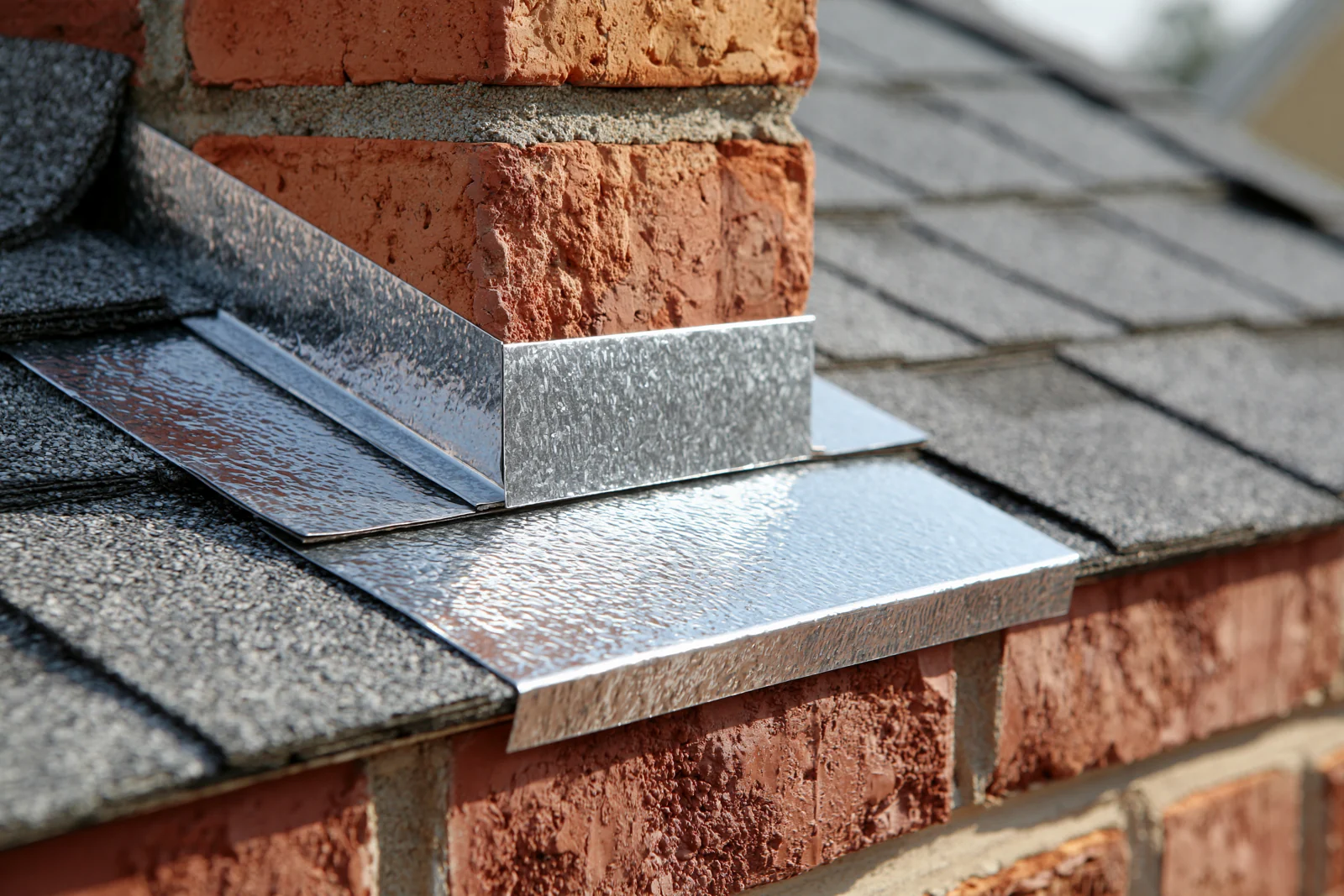
Valleys, wall intersections, penetrations and eaves need compatible details. The roof slope must suit the selected panel and seam system. A metal panel is not a universal solution for every shallow roof.
Different metals, sealants and fasteners also need to be compatible. A durable repair uses the right materials for the system rather than a generic patch that looks acceptable from the ground. The metal field and the flashing details need to work together.
Look past broad durability claims
Hail can leave visible dents without every dent having the same functional consequence. Wind performance depends on the tested and installed assembly. Finish coverage, watertightness terms and workmanship commitments can address different issues.
Those distinctions matter for both the quote and insurance. A claim that metal “never needs maintenance” or is automatically immune to storm damage does not explain the particular roof. Maintenance should follow the system’s actual requirements and condition.
Compare the complete conversion from the old roof
Changing from shingles to metal can involve removal, deck work, new transitions and changes at accessories. The contractor should identify what will remain and what is being rebuilt.
Choose a company that advertises the specific metal work you need, whether that is a residential installation, a commercial retrofit or a repair to existing panels. A general roofing listing is not proof that every type of metal system is in that company’s scope.
Further reading
Common questions
Is standing seam the same as an exposed-fastener metal roof?
No. Their attachment and seam arrangements differ, which changes installation details and ongoing care.
Can metal be installed on any roof slope?
No. The selected panel and seam system have their own requirements. Roof slope and the building details need to fit that system.
Find companies for the work.
Explore actual roofing services, business details and Google review totals in the directory.
Browse roofing companies