Material and workmanship coverage answer different questions
A manufacturer warranty commonly addresses specified product defects under its written terms. A contractor’s workmanship commitment addresses the installation work it has agreed to cover. Some enhanced manufacturer programs can include additional installation-related coverage when the system and contractor qualify.
Those arrangements are not interchangeable. The roof proposal should identify the coverage being supplied rather than leave you to infer it from the shingle packaging or a contractor badge.
Eligibility can depend on the complete installation
A particular warranty can require named products, accessories, installation practices or a qualifying contractor. Registration, notification or documentation requirements can also apply. A product label does not prove that the installed roof meets all of those conditions.
The written proposal and closeout documents should identify the actual system and warranty. If a sales presentation describes enhanced coverage, the applicable document should match that description. A general promise of “lifetime” coverage does not answer every condition.
Look at the cost the warranty actually addresses
Coverage can distinguish product replacement from labor, removal, disposal, flashing or other costs. Proration, limitations and exclusions can change the remedy over time. Damage from weather and failures unrelated to the covered cause can be treated differently.
This is why the largest year number is a poor way to compare two roof offers. The covered event, remedy, responsible party and claim process provide the useful comparison. Manufacturer product coverage is also separate from a homeowner’s insurance policy.
Transfer and maintenance need their own terms
Selling the property does not automatically transfer every roofing warranty. A transfer can have a deadline, procedure or limit. Maintenance and later roof alterations can also affect obligations under the applicable document.
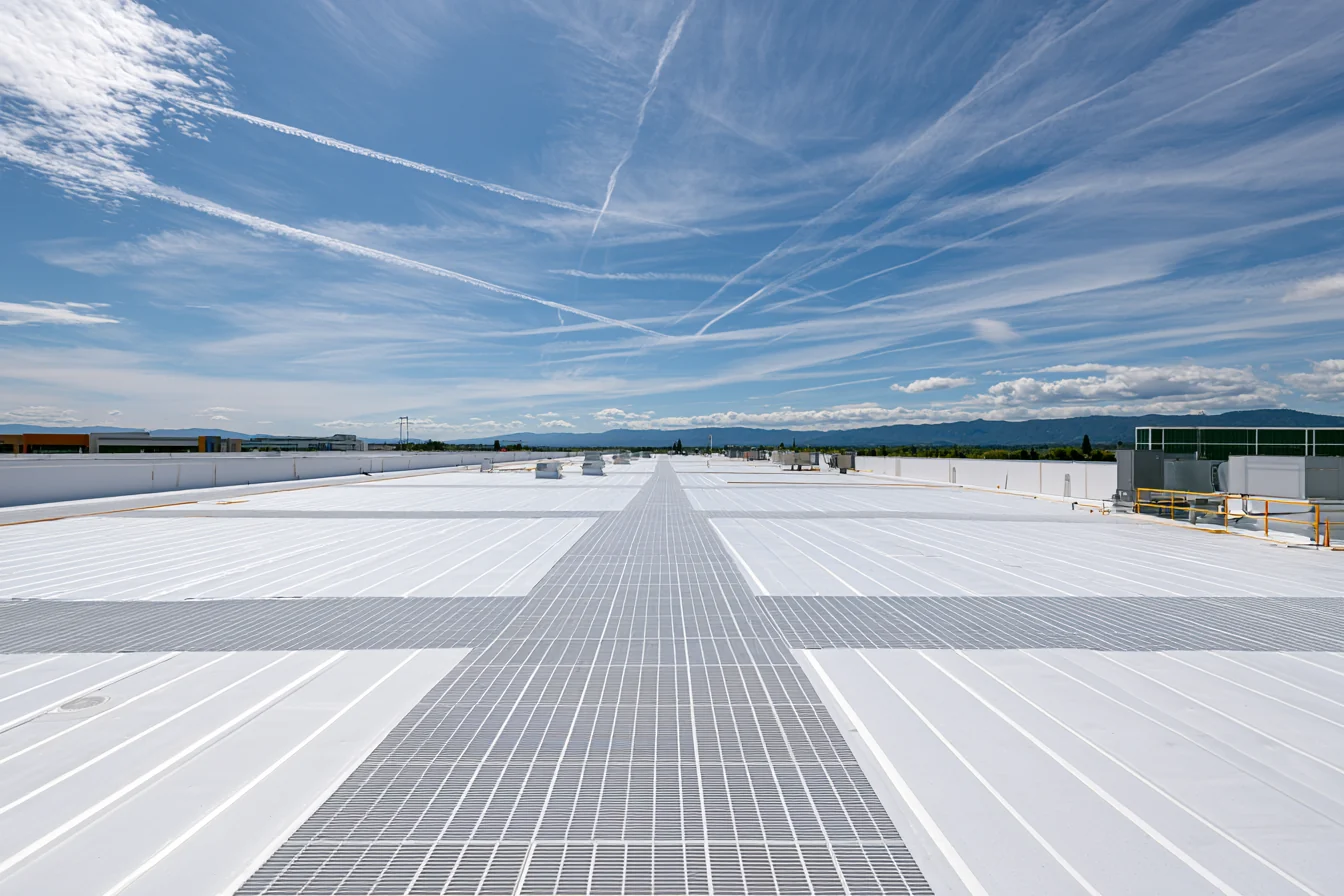
On a commercial roof, new rooftop equipment or work by another trade can alter the assembly. Keep the warranty and roof records available before changes are made. The company performing the alteration should follow the system’s required process.
Keep the paperwork connected to the installed roof
Retain the contractor agreement, accepted changes, product and system information, warranty documents and proof of completion. Those records help identify who to contact and what roof was installed if a concern appears later.
The directory does not infer a specific warranty from a manufacturer logo or a general website sentence. Company-specific terms belong to the business and the agreement for your project. A warranty is useful protection when its actual scope is understood, not a substitute for the work itself.
Further reading
Common questions
Does a lifetime shingle warranty mean every future leak is free to fix?
No. The written warranty defines covered causes, remedies, conditions and exclusions. Product coverage and workmanship coverage can be separate.
Does a manufacturer badge prove I will receive the strongest warranty?
No. Eligibility can depend on the particular contractor, installed products and program requirements. The proposal should identify the actual warranty being supplied.
Find companies for the work.
Explore actual roofing services, business details and Google review totals in the directory.
Browse roofing companies