Start with the actual system and its history
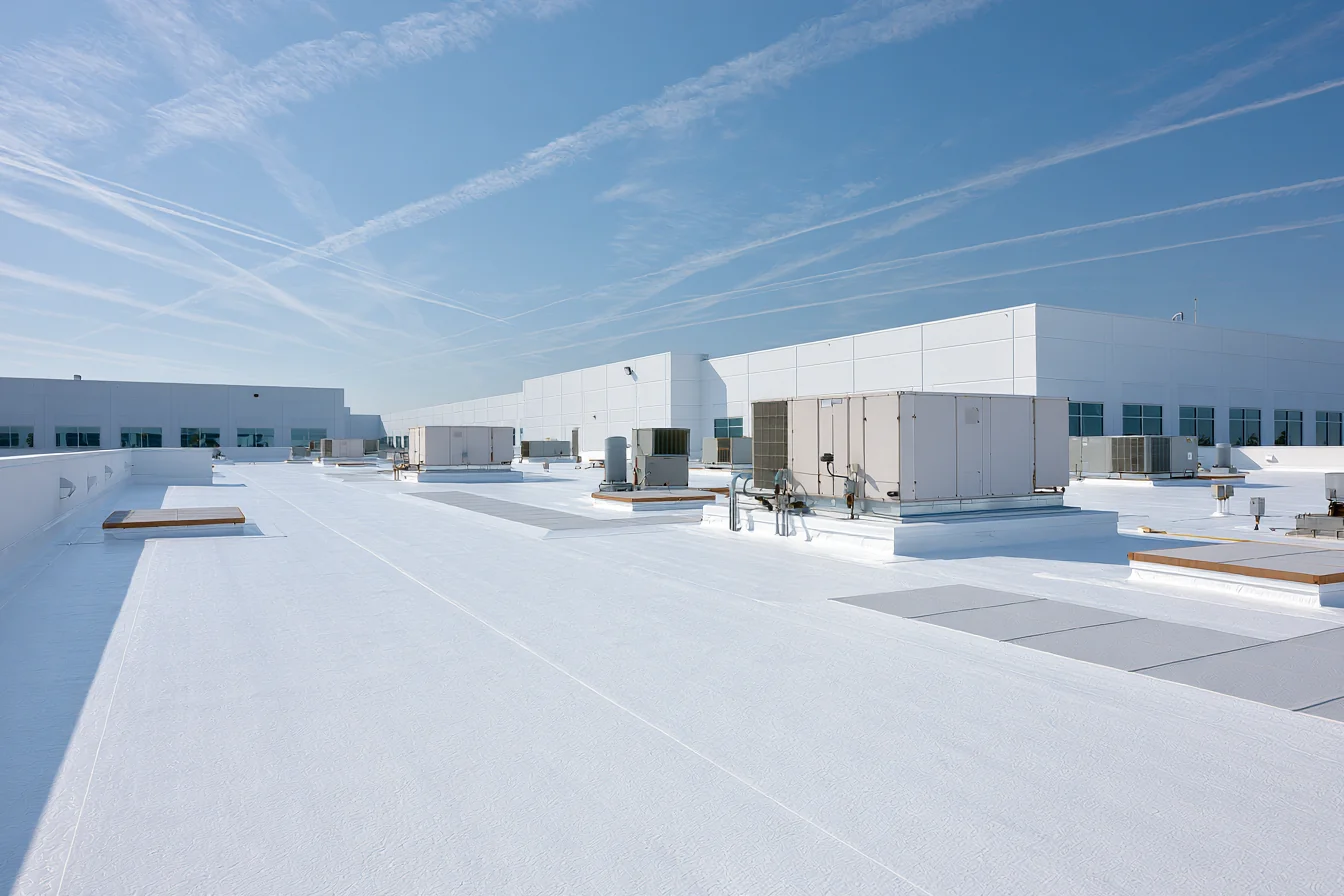
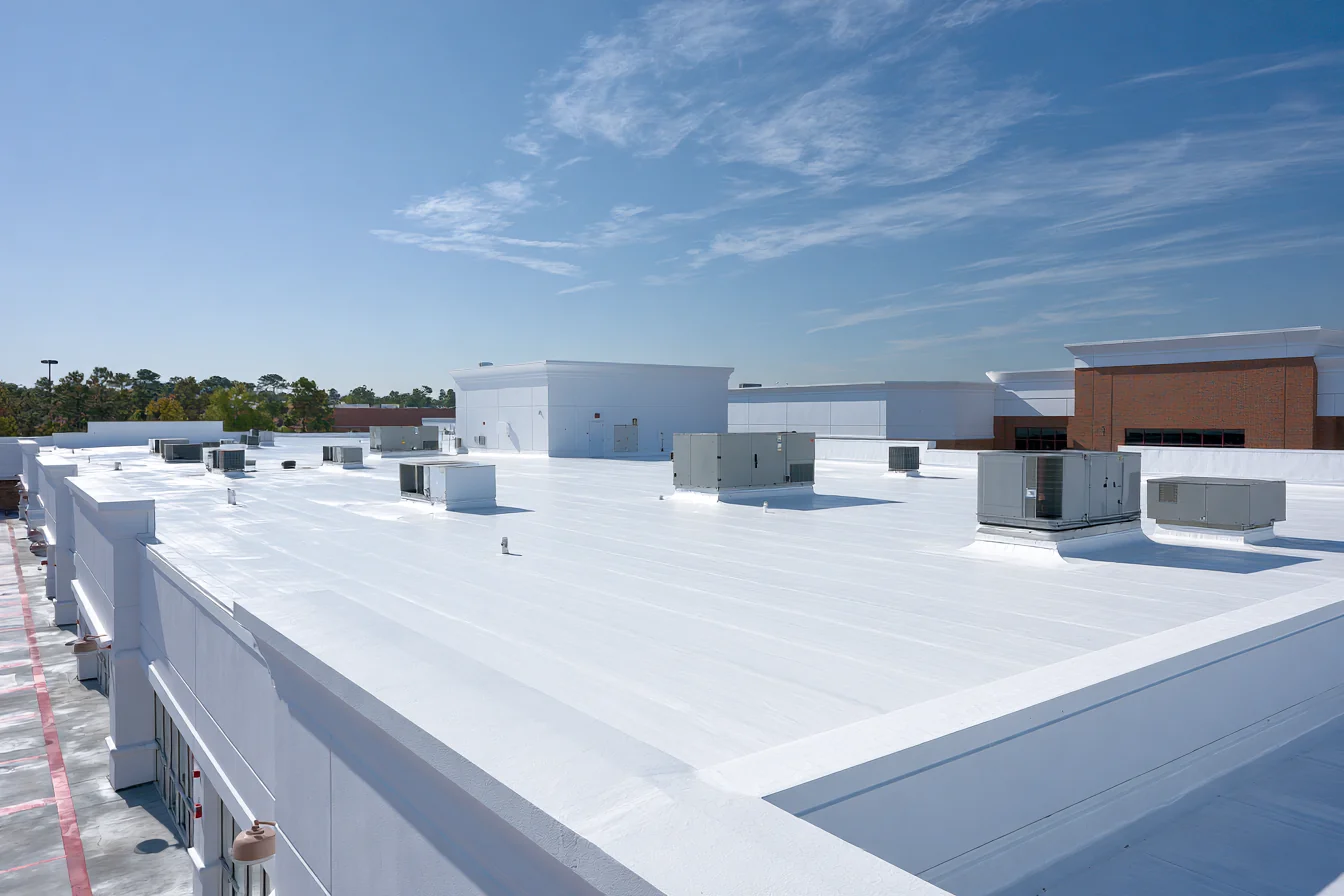
Identify the roof covering, installation or major repair dates, warranty documents and known leak areas. A membrane roof with restaurant exhaust needs different attention from a metal warehouse roof or a low-slope roof shaded by large trees.
The program should fit the manufacturer’s requirements, the building and the roof’s condition. A standard checklist is a starting structure, not proof that every system needs the same products or repair schedule.
Drainage deserves its own attention
Drains, scuppers and gutters need a clear route for water. Debris, loose materials and obstructions can interfere with that route. The inspection should also note areas where water remains and whether the underlying slope or insulation layout contributes.
Cleaning an outlet and redesigning drainage are different services. A maintenance visit can identify the condition without silently treating a recurring ponding area as resolved. Where a larger correction is needed, the record should carry it into a defined project.
Inspect the interruptions in the roof surface
Seams, curbs, penetrations, perimeter metal and wall flashings create connections that need attention alongside the open field of the roof. A small separation at one of those details can admit water even when much of the membrane appears intact.
The inspection record should describe the location, condition and action taken. Photographs and a roof plan make repeat visits more useful. “Roof checked” is less informative than a clear account of which details were addressed and what remains open.
Coordinate rooftop work by other trades
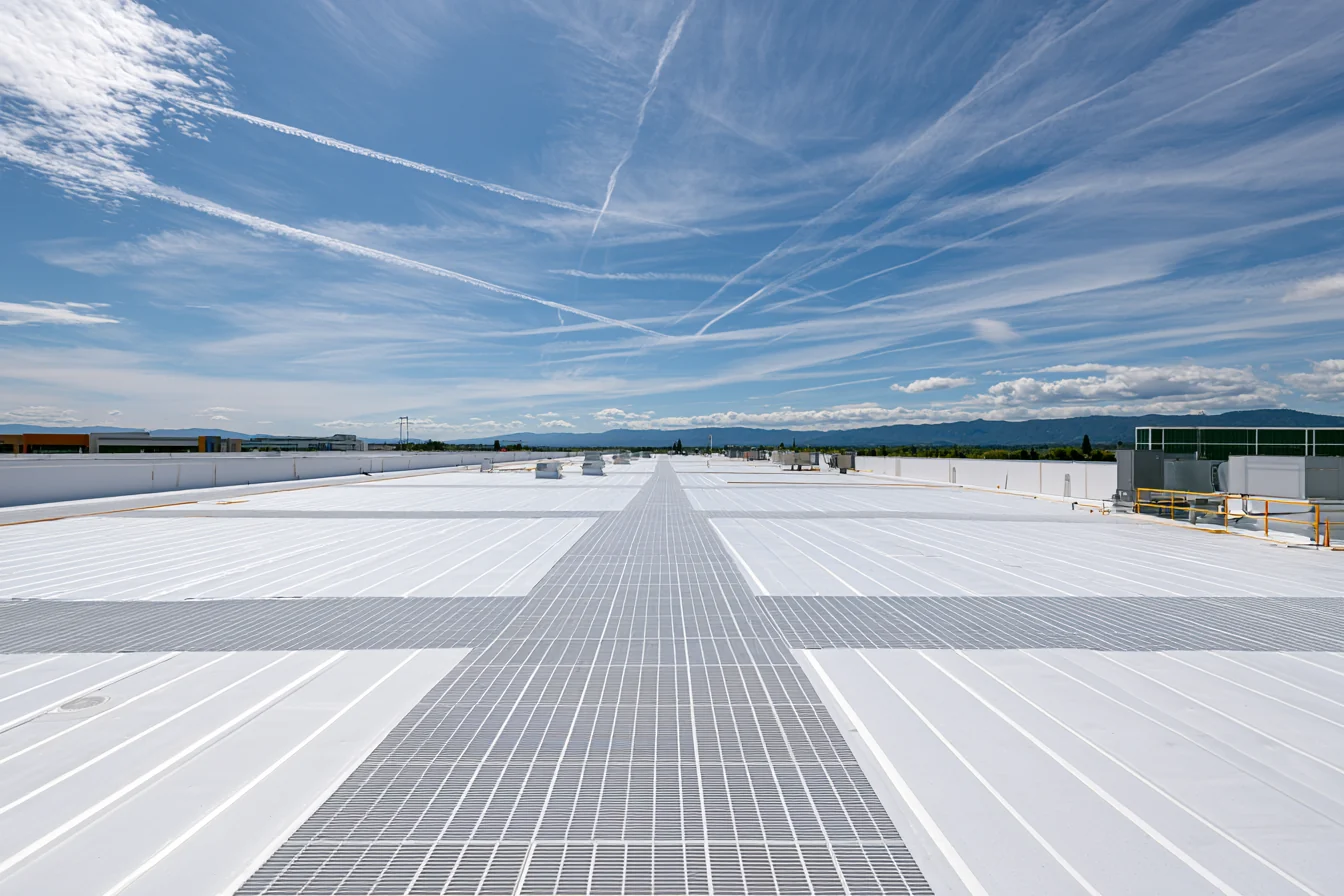
HVAC service, new cables, signs, antennas and equipment changes can affect the roof. Access routes, dropped tools, oils and unplanned penetrations introduce risks that are different from weathering.
A roof access log and a defined process for alterations help preserve the assembly and warranty requirements. The appropriate roofing contractor should be involved when new work changes the roof details. Equipment service and roof repair are connected responsibilities, not interchangeable ones.
Turn findings into decisions
A maintenance report should separate work completed during the visit from recommended repairs and larger capital planning. Repeated leaks in one area or expanding moisture concerns need a response beyond another identical inspection entry.
The frequency should fit the manufacturer, roof condition and exposure, with additional attention after major weather or rooftop work. Do not treat a periodic visit as a guarantee against every leak. Its value is a clearer condition record and timely, suitable action.
Further reading
Common questions
How often should a commercial roof be inspected?
Follow the applicable manufacturer and warranty requirements, then account for the roof’s condition, weather exposure and rooftop activity. Severe weather or equipment work can justify an additional inspection.
Does maintenance automatically extend the warranty?
No. Any extension depends on a specific manufacturer program and its terms. Ordinary maintenance should not be sold as an automatic warranty extension.
Find companies for the work.
Explore actual roofing services, business details and Google review totals in the directory.
Browse roofing companies