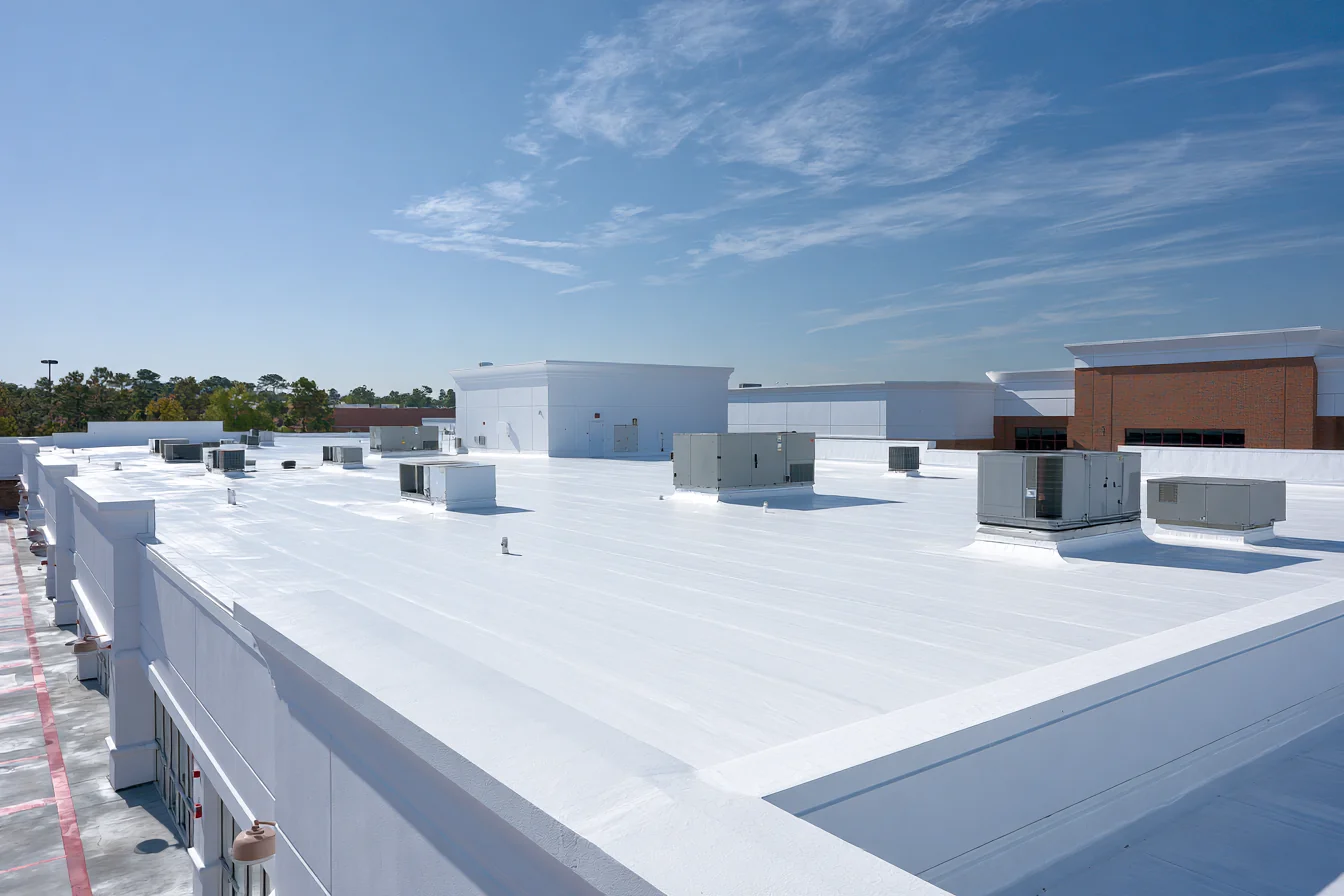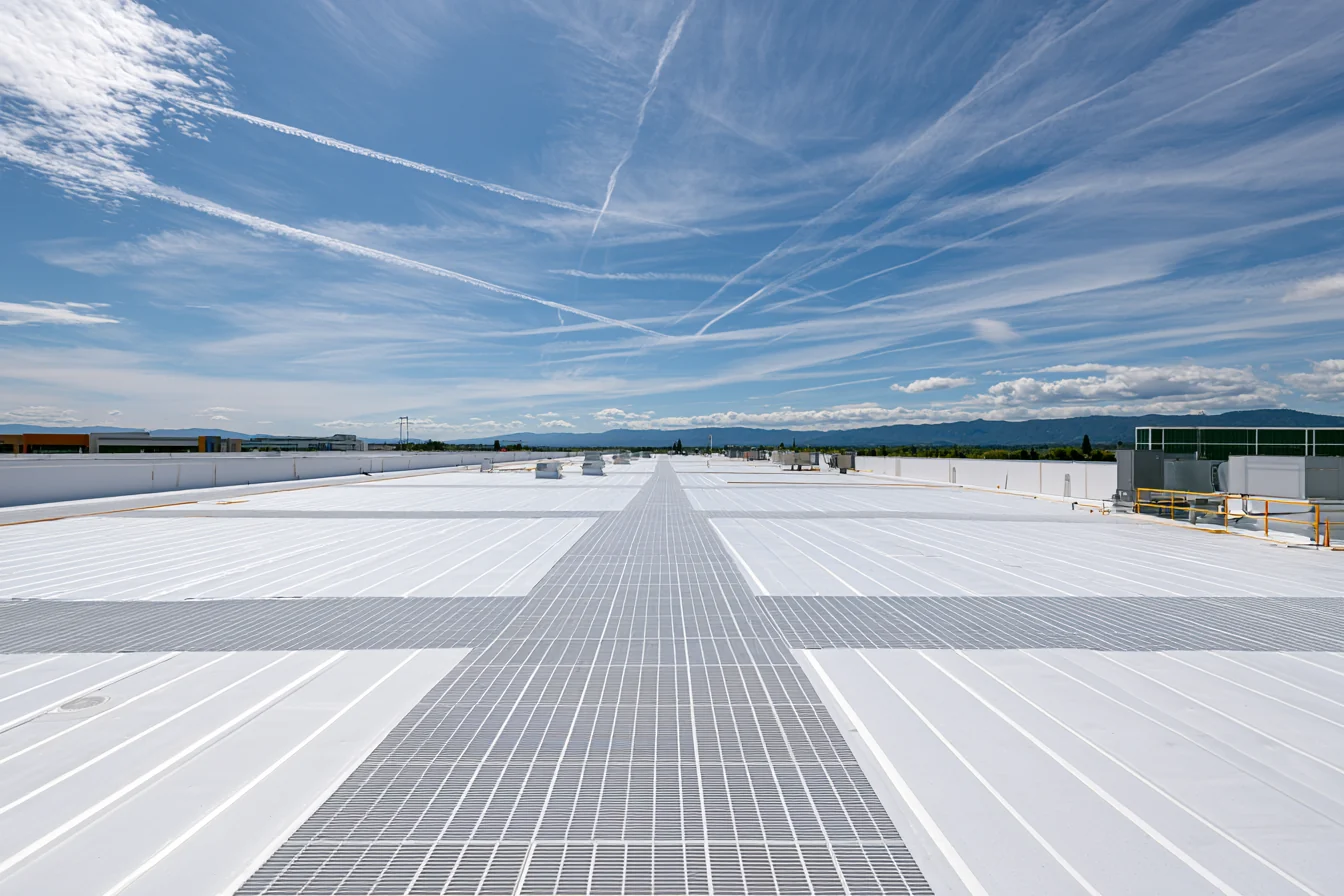
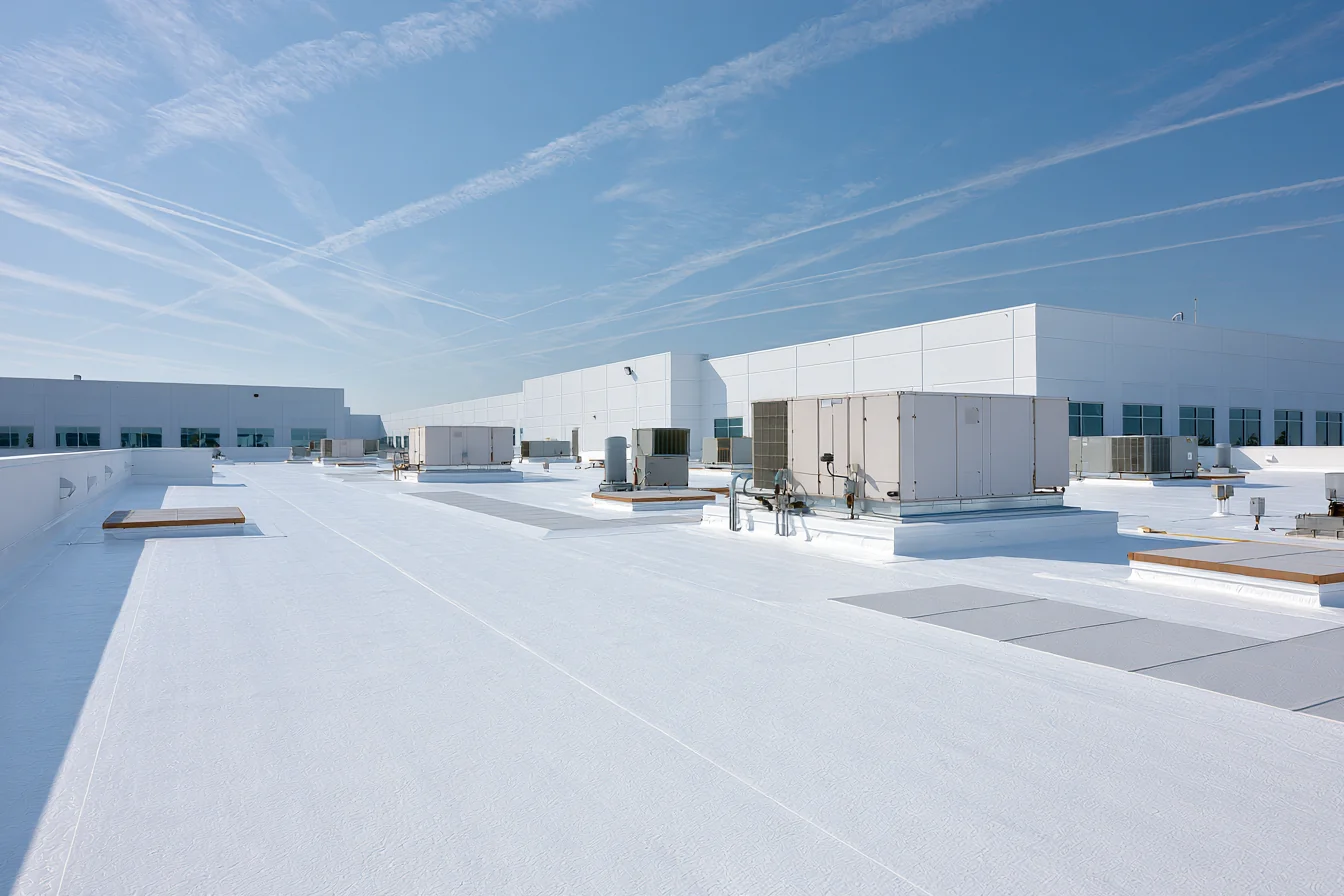
Describe the building and the current roof
A membrane roof over a shop, metal panels over a warehouse and a roof above occupied offices are different projects. The useful starting point includes the existing covering, known leak history, roof access and rooftop equipment.
If the roof type is unknown, the first assessment should establish it. A quote based only on a building footprint can miss attachment, insulation, drainage and perimeter details. Those choices matter for a repair as well as a replacement.
Look for the actual system capabilities
Commercial work can include TPO, PVC, EPDM, modified bitumen, built-up roofing, metal, coatings and maintenance. The directory records supported capabilities instead of assuming that a company advertising “commercial” installs every system.
A manufacturer relationship can be relevant when a particular warranted assembly is proposed. Keep that program distinct from Oklahoma registration and applicable commercial endorsement. Both the regulatory eligibility and the practical system fit matter.
The scope should account for building operations
Access routes, occupied areas, deliveries, sensitive equipment and rooftop trades affect sequencing. A repair over a quiet office and removal above a production space can require different planning.
Weather exposure during the work also belongs in the plan. The proposal should explain how the building will be protected as the project progresses and who coordinates work around rooftop units, drains and other trades. A promised completion date alone does not cover those issues.
Choose the work based on the assembly’s condition
Repeated leaks, wet insulation, loose flashing and drainage problems need a diagnosis before the remedy is selected. A defined repair can be useful when the surrounding assembly supports it. Restoration needs a suitable existing roof. Replacement addresses broader limits.
A lower initial price can leave important work outside the proposal. Compare removal, deck and insulation repairs, attachment, perimeter work, penetrations and the warranty being offered. The roof system and the written scope should tell the same story.
Keep the roof file useful after the project
The closeout record should identify the installed system, applicable warranty, completed repairs and any ongoing maintenance requirements. Roof access and later equipment work can affect the covering after the roofer leaves.
A maintenance arrangement is a separate service with a defined scope. It should help the owner understand condition, recurring issues and planned repairs without pretending that an inspection guarantees no future leak. Good records make the next decision less dependent on memory.
Further reading
Common questions
Does a residential roofing registration cover every commercial project?
No. Commercial work can require an additional endorsement, subject to the Act’s definitions and exemptions. The applicable credential and the contractor’s system experience both matter.
Is a roof coating always less disruptive than replacement?
It can reduce some removal work when the existing roof is suitable, but preparation, repairs and site conditions still matter. A coating should not be selected before suitability is established.
Find companies for the work.
Explore actual roofing services, business details and Google review totals in the directory.
Browse roofing companies