Agree on the roof being built
Before materials arrive, the written scope should identify the roof areas, removal plan, selected system and treatment of flashing, ventilation and drainage. It should also explain exclusions and the process for hidden damage.
The property’s actual jurisdiction and the nature of the work determine permit and approval requirements. Tulsa’s guidance distinguishes repair work from alterations such as changes to roof pitch or structure. The project plan needs to identify the applicable authority and approvals for the proposed scope before work begins. A Tulsa mailing address does not establish that every nearby property follows the same municipal process.
Plan access and protection
Material delivery, debris removal and safe access need a place in the project. The company should explain which areas of the property will be used and how the building and surroundings will be protected.
Roof layout, height, access and weather affect sequencing. A small simple roof and a larger roof with many transitions can take different amounts of work. A fixed “one-day roof” promise should not substitute for a plan suited to the actual building.
Removal reveals the deck
Once old covering is removed, damaged or unsuitable deck material needs to be addressed before the new system is installed. The proposal’s change process becomes important when concealed conditions differ from what was visible earlier.
A useful record identifies the additional work and its agreed cost. On a low-slope commercial roof, wet insulation and the condition of the deck can similarly change the affected area and assembly. Covering those conditions over does not make them sound.
Install the system and its connections
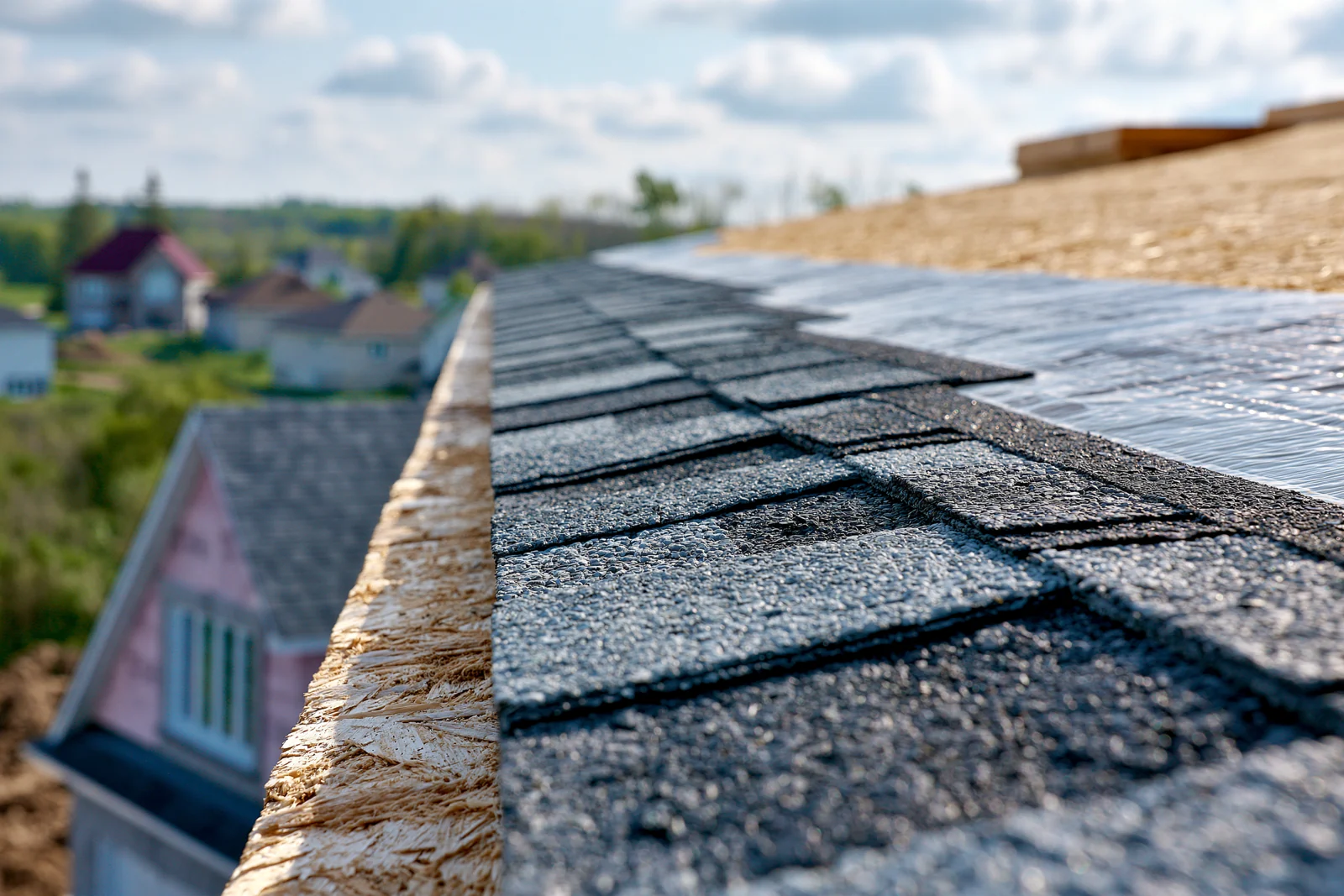
Underlayment or insulation, covering, attachment, flashing and edges form a connected roof. Walls, chimneys, pipes, skylights and rooftop equipment need details appropriate to the selected system.
Weather protection during the work also matters. The crew’s sequence should account for the open roof and the forecast rather than assume the entire building can remain exposed until the end. Temporary protection and a completed installation have different roles.
Close the job with more than a final photograph
Cleanup and disposal belong in the scope, along with the company’s process for reviewing completed work and addressing remaining concerns. The roof file should identify the installed materials and applicable warranties.
Keep the accepted proposal, changes, warranty documents and completion records together. If the project involved insurance, the construction closeout and the insurer’s remaining documentation are related but separate. A finished roof and a closed claim do not necessarily happen at the same moment.
Further reading
Common questions
How long does a roof replacement take?
It depends on the roof size and geometry, access, system, weather and concealed conditions. The contractor’s project plan should explain the expected sequence and likely sources of delay.
Will the original quote include every hidden deck repair?
Not always. A clear proposal identifies known work and defines how concealed damage is documented, priced and approved if removal reveals it.
Does every Tulsa-area roof follow the same permit rules?
No. The property’s jurisdiction and work type matter. Structural or pitch changes differ from ordinary repair, and the applicable permitting authority should determine the requirements for the actual scope.
Find companies for the work.
Explore actual roofing services, business details and Google review totals in the directory.
Browse roofing companies